

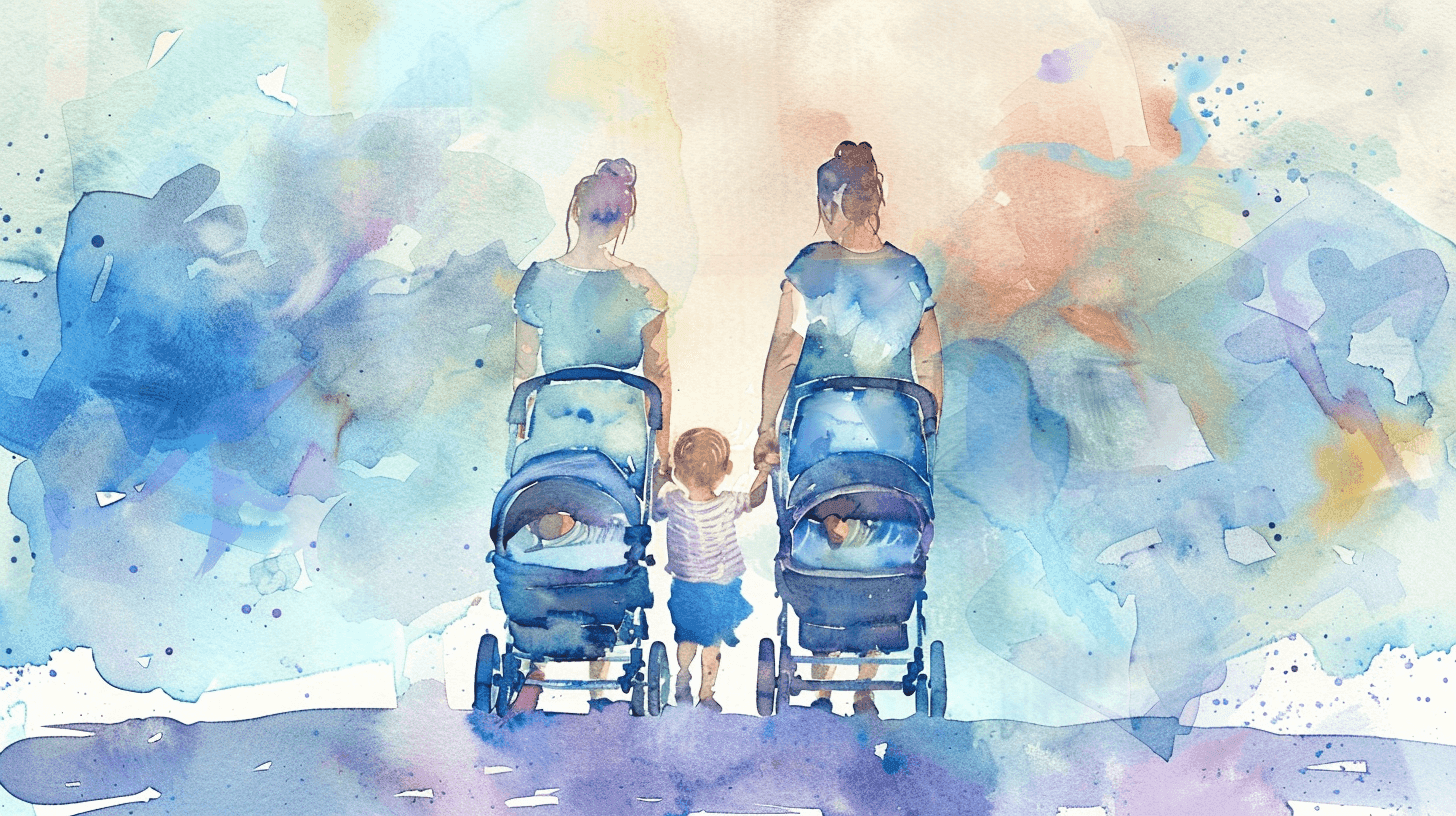
You may have managed well after your first baby and feel very different after another birth. Having done this before does not mean you should have all the answers now. You can ask for care without comparing your experience with an earlier pregnancy.
Depression after a second or later baby
This article uses “secondary postpartum depression” to discuss postpartum depression after a subsequent birth. It is not a separate diagnosis or a statement that later pregnancies inevitably cause depression. Tell a clinician when symptoms began and what has changed, rather than relying on the label alone.
Postpartum depression can involve persistent low mood, loss of interest, anxiety, difficulty functioning or difficulty bonding. A health professional can assess symptoms and discuss treatment. You do not need to wait for a scheduled postpartum visit if you are concerned. ACOG guidance on seeking help.
Describe what is different this time
You might begin with: “I did not feel this way after my first baby. This time I am struggling, and I would like an assessment.” It can help to bring examples of what has become difficult rather than trying to explain why it happened.
- When did you first notice a change in mood or anxiety?
- What has changed in sleep, support, health or family responsibilities?
- What tasks feel hardest to manage?
- Have you had depression, anxiety or another mental health condition before?
- What would make attending appointments more feasible?
Make support specific
For a family with more than one child, a request might be help with school pickup, an older child’s bedtime, preparing meals or getting to an appointment. Agree on who owns the task and when they will do it, so the person asking for support does not have to keep coordinating the same help.
Getting care
Ask a clinician which treatment options fit your symptoms and circumstances. If you want to discuss therapy at Bloom, book a free 15-minute consultation. Contact the practice directly to ask about current appointment times and availability.
Help when you need it
For non-emergency maternal mental health support, call or text 1-833-852-6262. Call or text 988 for suicide or crisis support. If you or your baby cannot stay safe, or you have possible symptoms of psychosis such as hallucinations or severe confusion, call 911 or go to the nearest emergency department. NIMH support and emergency information.
Frequently asked questions
What does secondary postpartum depression mean in this article?
This article uses the phrase to discuss postpartum depression after a second or later birth. It is not presented as a separate diagnosis. Tell a clinician when symptoms started and what you are experiencing.
Do I have to wait for my postpartum appointment to ask for help?
No. Contact a health professional when you are concerned rather than waiting for a scheduled visit. Seek emergency help for immediate danger or possible psychosis.
What is the National Maternal Mental Health Hotline number?
Call or text 1-833-852-6262 for maternal mental health support. For immediate danger or possible psychosis, use 911 or the nearest emergency department. Call or text 988 for suicide or crisis support.

Dr. Jana Rundle
Clinical Psychologist