
Listen to this article
Narrated by Dr. Jana Rundle• 1.4 MB
Keyboard shortcuts: Space or K to play/pause • ← → to seek ±5s
The Village We Lost: How to Really Support New Mothers
Get the Full Postpartum Support Toolkit
Download our free 40-day recovery checklist, meal train templates, and conversation scripts for partners. Everything you need to build your village.
Join Bloom's CommunityEvidence-based maternal mental health resources, delivered weekly.
Rebuilding the Village: One Mother at a Time
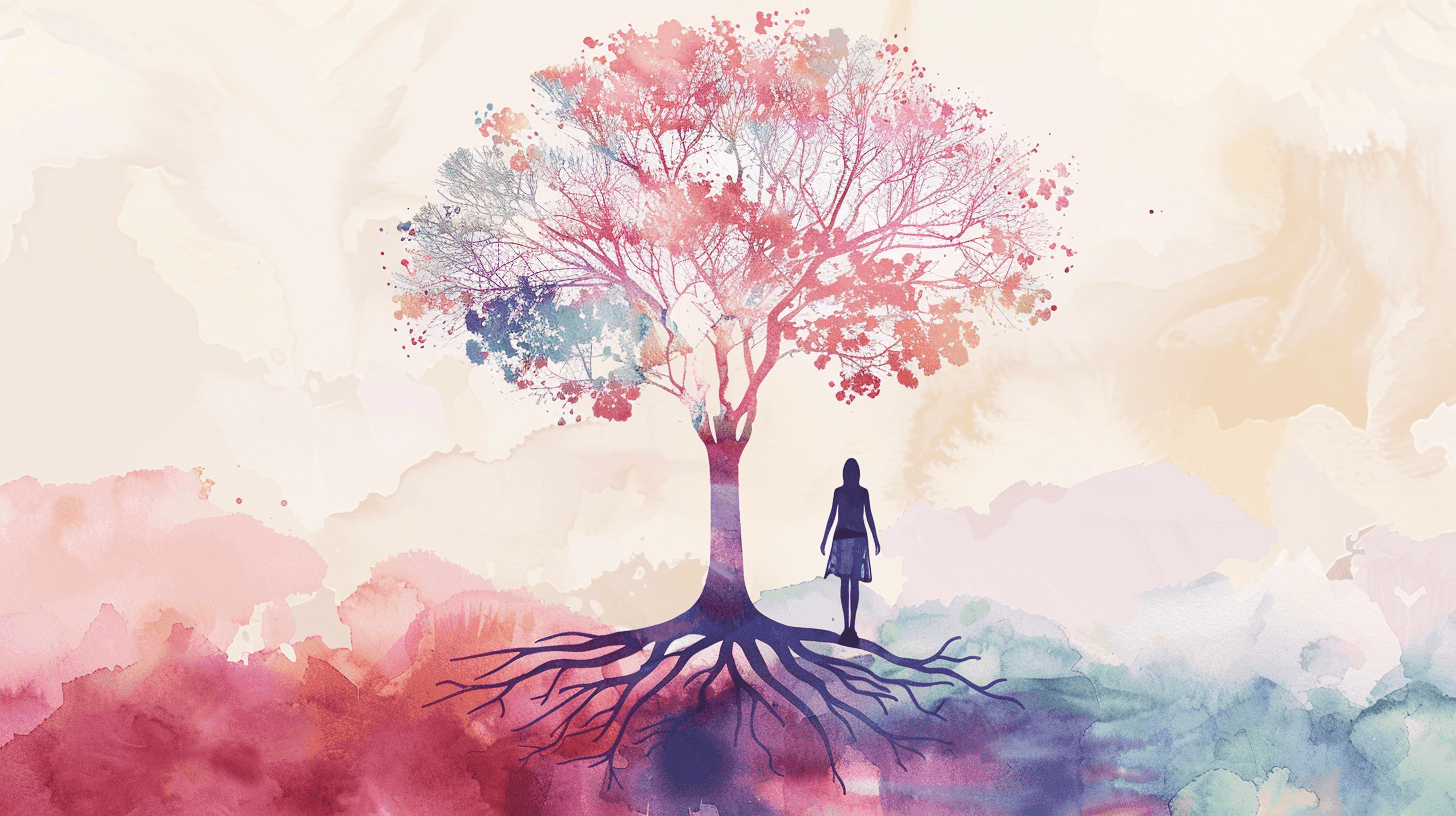
We can't go back to the traditional structures that once held new mothers. Extended family doesn't live down the street. Elders don't move in for 40 days. The postpartum centers of Korea don't exist here.
But we can choose to build new villages: intentional, imperfect, cobbled-together networks of support that honor the same ancient wisdom.
What I hope you take away is this:
- If you're a new mother: You are not too much. You are not failing. What you need is biology, not weakness. Ask for help. Accept the casseroles. Let people fold your laundry. You deserve to be cared for.
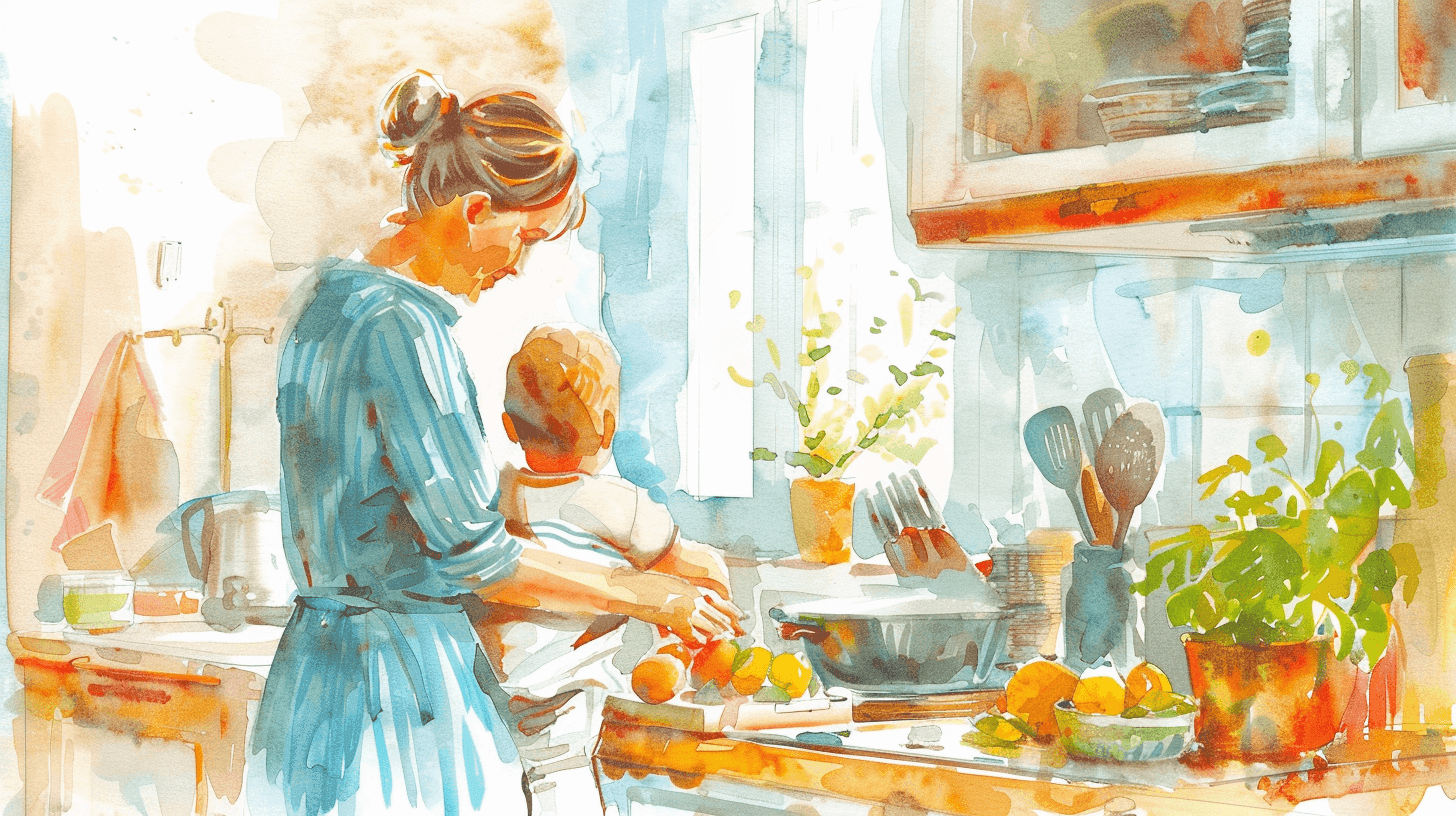
- If you're a partner: Your role goes beyond "helping out." You get to become a fierce protector of her healing. Do the dishes without being asked. Take the night shift. Shield her from well-meaning but exhausting visitors. Your support is medical care.
- If you're a friend or family member: Don't wait to be asked. Show up with food. Offer specific help. Check in at week 8 when everyone else has moved on. Your presence can be the difference between survival and thriving.
- If you're a community member: Advocate for paid parental leave. Support postpartum doulas. Fund maternal mental health services. Challenge the "bounce back" culture. Normalize the truth: recovery takes time, and mothers deserve villages.
"It takes a village to raise a child."
But first, it takes a village to restore the mother. Let's start there.
About Bloom Psychology
Bloom Psychology specializes in maternal mental health, offering compassionate, evidence-based support for mothers navigating pregnancy, postpartum, and the transformative journey of matrescence.
Our mission: to ensure no mother feels alone in the hardest, most beautiful work of her life.
Found this helpful? Save it on Pinterest so you can find it again when you need it.
Pin This GuideIf reading this stirred a longing for the village we've lost, or a wish that someone would do this for you, that ache is pointing at something real. New mothers were never meant to recover in isolation, and needing more hands is simply how humans are built, not a weakness. You're allowed to be the one who receives support, not just the one who gives it. Our new mom program was designed to rebuild some of that missing village around you. You can book a free consult whenever you're ready to reach for it.
Frequently asked questions
- Why do I need so much help after having a baby? Shouldn't I be able to do this myself?
- Needing support isn't weakness; it's biology. For most of history, new mothers were surrounded by a village: extended family, elders, and communities who cared for the mother so she could recover and care for her baby. Modern life scattered that village, but your body's needs didn't change. Asking for help, accepting the meals, letting someone fold the laundry, that's not failing. It's meeting a real need that your circumstances, not your character, left unmet.
- How can my partner actually support me after birth?
- A partner's role is bigger than 'helping out'; think of it as protecting your recovery. That looks like doing the dishes without being asked, taking the night shift, and shielding you from well-meaning but exhausting visitors. Practical, unglamorous support like this is a genuine form of care that affects how you heal. If it helps, share this article with your partner so 'what do you need' turns into concrete actions rather than one more thing on your plate.
- What's the best way to help a friend who just had a baby?
- Don't wait to be asked, because most new mothers won't ask. Show up with food, and offer specific help ('I'm bringing dinner Tuesday' or 'can I hold the baby while you nap') rather than a vague 'let me know if you need anything.' And check in around week 8, when the meal trains have stopped and everyone else has moved on. Your steady presence can be the difference between a mother merely surviving and truly thriving.
- Is it selfish to ask for help when I have a new baby?
- No. That feeling, that your needs should come last and asking is selfish, is incredibly common, but it isn't the truth. You are not too much, and you are not failing. What you need is care, and you deserve to receive it. Motherhood was never meant to be done alone; it was always held by a community. Accepting help isn't taking something you haven't earned, it's simply how recovery is supposed to work.
- Why does the postpartum period feel so much lonelier and harder than I expected?
- Because something real was lost. Earlier generations recovered inside built-in support systems: extended family nearby, communities that centered the new mother for weeks. Those structures have largely disappeared, but the intensity of the transition into motherhood hasn't. If you feel isolated and overwhelmed, it's not because you're doing it wrong; it's because you're doing profoundly hard work without the village humans were designed to have. Building your own small, imperfect network genuinely helps.
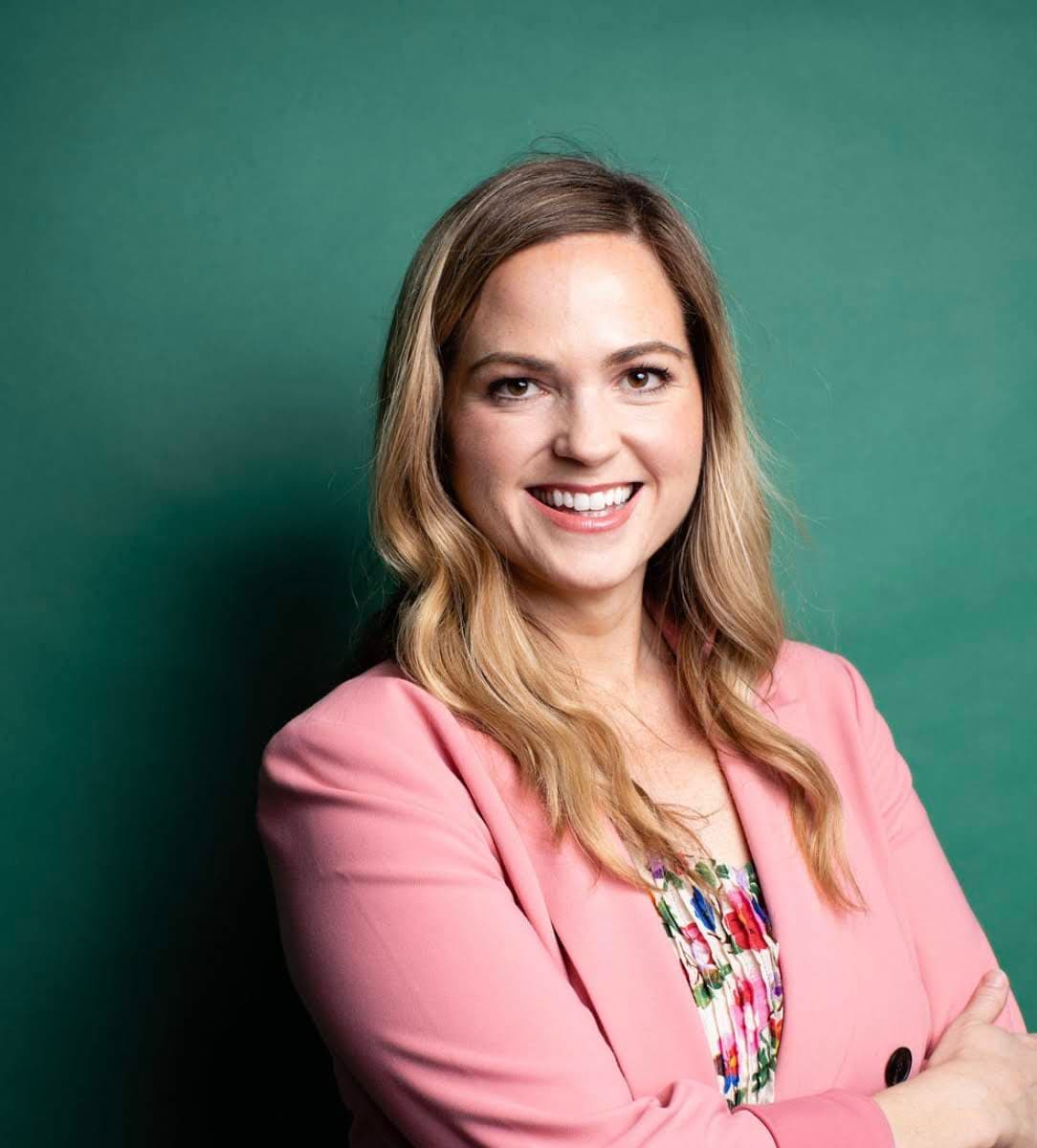
Jana Rundle
Licensed Clinical Psychologist